Thinking about adding a backyard cottage or converting your basement into a separate apartment in Kensington? You’re not alone. Many homeowners want flexible space for family or a steady rental income stream, but local rules can feel confusing. In this guide, you’ll learn how ADUs work in Kensington, what permits you need, how to plan your project, and how an ADU can affect your home’s value. Let’s dive in.
What an ADU means in Kensington
An accessory dwelling unit (ADU) is a secondary, self-contained home on the same lot as your primary residence. It has its own sleeping area, bathroom, and kitchen or kitchenette. You might also hear terms like accessory apartment, in-law suite, or backyard cottage.
Common ADU types you can consider:
- Interior conversion, such as a basement apartment or a portion of the main house with a separate entrance
- Attached addition with its own entry
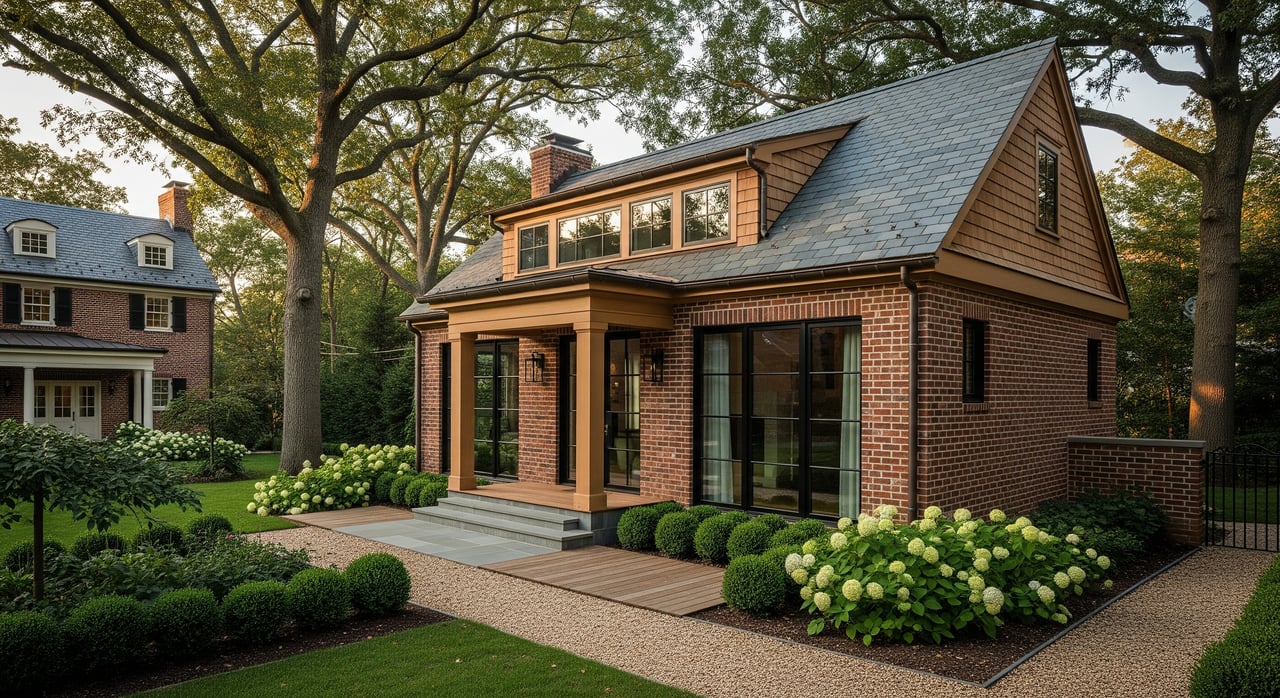
- Detached structure, like a carriage house or backyard cottage
- Garage conversion or an apartment above the garage
Smart ways local owners use ADUs
ADUs shine because they add flexibility without requiring you to move. Owners in and around Kensington typically use them for:
- Multigenerational living for aging parents or adult children
- Long-term rental income from a market-rate tenant
- Guest or caregiver suite
- A studio or home office that could become a rental later
- Short-term rental use, if allowed by local rules
What rules apply in Kensington
Kensington sits within Montgomery County, and some properties are inside the Town of Kensington’s municipal boundary. That means you may be subject to both county and town rules. Always confirm which jurisdiction applies to your address before you design anything.
- Start with the Montgomery County Department of Permitting Services for permits, inspections, and building requirements. Their site explains how construction and trade permits work and what plans you’ll need. Explore the process on the county’s Department of Permitting Services page.
- For zoning and land-use guidance, review resources from Montgomery County Planning. You’ll find context for how ADUs fit within county zoning categories and planning priorities.
- Zoning chapters and legislative updates live on the Montgomery County Council site. This is helpful when you or your architect want to verify what the current code says.
- If your home is inside the Town of Kensington or a historic district, you may need town permits and design review before you apply for county building permits. Contact the Town’s municipal office for current procedures.
Helpful links:
- Review permitting steps with the Montgomery County Department of Permitting Services (DPS) on the county’s DPS site: Montgomery County Department of Permitting Services
- Learn about zoning approaches and land-use guidance via Montgomery County Planning
- Find zoning chapters and legislative materials on the Montgomery County Council site
Zoning and owner-occupancy
Whether an ADU is allowed can depend on your zoning category and any local conditions. Some jurisdictions also require the owner to live on-site in either the main home or the ADU. Verify any owner-occupancy rules before you start design.
Size, setbacks, height, and parking
Local rules often limit the size of an ADU relative to the main house and set standards for height, side-yard and rear-yard setbacks, and lot coverage. Parking requirements can apply, and some areas reduce or waive parking near transit. Confirm the standards that apply to your specific lot.
Historic district review
Kensington includes older neighborhoods and a historic core. Exterior changes, new detached structures, or demolition in a locally designated or National Register historic district often require review. If your property is in or near a historic area, plan extra time for design approval.
Permits and approvals: your step-by-step
Use this sequence to avoid surprises and keep your project moving.
Confirm your jurisdiction. Determine if your property is inside the Town of Kensington limits or only under county rules. Municipal boundaries and tax records can help you verify this.
Verify zoning early. Contact the appropriate office for a zoning check and to understand ADU allowance, size, setbacks, and parking. For county guidance, start with Montgomery County Planning and the zoning chapters on the County Council site.
Get a zoning verification letter. Ask the permitting authority for written confirmation of what is allowed on your lot and any special restrictions.
Engage an experienced designer. Hire an architect or contractor familiar with Montgomery County codes and, if applicable, historic-district projects. They can address egress, energy code, insulation, sewer/water connections, and site impacts.
Submit your applications. Typical filings include zoning review, historic/design review if needed, a building permit, and trade permits for electrical, plumbing, and mechanical work. For permits and inspections, consult the Montgomery County DPS.
Plan for inspections. Expect scheduled inspections for framing, mechanicals, plumbing, electrical, and a final occupancy inspection.
Update insurance and plan operations. Once complete, update your homeowner’s policy and consider landlord coverage if you plan to rent. If you will lease the unit, review tenant-landlord rules and any short-term rental limits.
Design and construction basics
A thoughtful design saves time and money. Here are the key decision points.
Conversion vs. new-build
- Interior conversions, such as basement or garage units, often have lower hard costs. Still, you may need new egress windows or doors, waterproofing, upgraded HVAC, and new plumbing runs.
- Detached ADUs usually cost more and require a new foundation, full utility runs, and site work. They may also trigger stormwater review if your new footprint adds impervious area.
Safety and code must-haves
Work closely with your design team to meet building code requirements:
- Fire and life safety: smoke and CO detectors, required fire separation between units, and proper fire-rated doors
- Egress: emergency exits via egress windows or doors, and adequate ceiling height in basements
- Accessibility: if you are planning for aging in place, design for step-free entries, wider doors, and bathroom layouts that can be adapted
Utilities and meters
ADUs often share some utilities with the main home, but separate meters can be required or helpful depending on your plans. Confirm sewer capacity, electrical service needs, and whether new taps or meter upgrades are required. Your designer can coordinate with DPS and utility providers.
Timeline, fees, and budgeting
Permitting and construction move at different speeds depending on complexity and backlogs.
- Approvals timeline. Zoning verification and historic review can take weeks to months. Building permit reviews range from a few weeks to several months, depending on scope and completeness of plans.
- Fees. Expect fees for zoning review, building permits, and trade permits, and possibly tap or impact fees for new utilities. Request estimates from DPS and, if applicable, the Town of Kensington.
- Contingency. ADUs can uncover hidden issues, such as electrical upgrades, drainage improvements, or foundation work. Build in a contingency to handle required upgrades uncovered during review or construction.
How an ADU can affect your property and value
ADUs change how your home lives day to day and how the market views it at resale.
Function and demand in Montgomery County
Kensington’s location near major employment centers in Silver Spring, Rockville, Bethesda, and Washington, D.C., supports rental interest and multigenerational living. An ADU can add flexibility for caregiving, a place for returning adult children, or a steady, long-term tenant.
Resale and appraisal
An ADU generally adds usable square footage and rental potential. The value impact depends on build quality, whether the unit is legally permitted, and buyer preferences at the time of sale. Legal, permitted ADUs typically contribute more to resale value and are easier to market.
Assessment and property taxes
When you add a permitted ADU, your property’s livable area increases and can trigger a reassessment. For Maryland-specific questions, review resources from the Maryland Department of Assessments and Taxation (SDAT).
Insurance and landlord considerations
If you plan to rent your ADU, update your homeowner’s policy and consider landlord liability coverage. Review local tenant-landlord laws and any short-term rental rules that apply within your jurisdiction.
Parking, neighbors, and neighborhood fit
ADUs can increase on-site activity and parking needs. Good design can minimize impacts:
- Place entrances on the side or rear where possible for privacy
- Use landscaping to screen detached units
- Clarify trash, snow, and landscaping responsibilities if you will rent the ADU
Common pitfalls to avoid
- Designing before verifying zoning and historic-district rules
- Skipping egress and fire-separation requirements in basement conversions
- Underestimating utility upgrades or sewer capacity needs
- Building without permits, which can harm resale and trigger compliance issues
- Forgetting to budget for inspections and potential code-mandated upgrades
Your action plan
Follow this simple sequence to move from idea to permit:
- Identify your governing jurisdiction (Town of Kensington vs. unincorporated county)
- Verify zoning allowances and historic requirements
- Request a zoning verification letter and initial permit checklist
- Hire an architect/contractor experienced with ADUs and local codes
- Submit zoning, historic (if needed), building, and trade permits with Montgomery County DPS
- Schedule inspections and secure a final occupancy approval
- Update insurance and confirm assessment questions with SDAT before renting
Ready to explore your ADU options?
Whether you want a private suite for family or a legal rental to offset your mortgage, a well-planned, permitted ADU can be a smart move in Kensington. If you’d like local, step-by-step guidance on value, design choices buyers respond to, and timing your project with the market, let’s talk. Schedule a consultation with Michelle Milton to map out your next steps.
FAQs
What qualifies as an ADU in Kensington, MD?
- An ADU is a secondary, self-contained home on the same lot as your main house, with its own sleeping area, bathroom, and kitchen or kitchenette.
Are ADUs allowed on my specific Kensington lot?
- It depends on your zoning, lot size, and whether you are inside the Town of Kensington or only under county rules; confirm with a zoning verification before designing.
How long do ADU permits take in Montgomery County?
- Timelines vary by scope and review backlogs; zoning and historic reviews may take weeks to months, and building permit review can take several weeks to several months.
Will adding an ADU raise my Maryland property taxes?
- Likely yes; increasing livable area can trigger reassessment. For details, consult the Maryland Department of Assessments and Taxation.
Do I need separate utility meters for an ADU?
- Separate meters may be required or optional depending on your plan and local rules; confirm utility and meter requirements during design with DPS and your utility providers.
Are basement ADUs legal in Montgomery County?
- Yes, if they meet building code requirements for egress, ceiling height, and fire separation and obtain proper permits and inspections from the county.
What parking is required for an ADU in Kensington?
- Requirements vary by zoning and proximity to transit; some areas reduce or waive on-site parking, so verify the standard that applies to your property before finalizing plans.