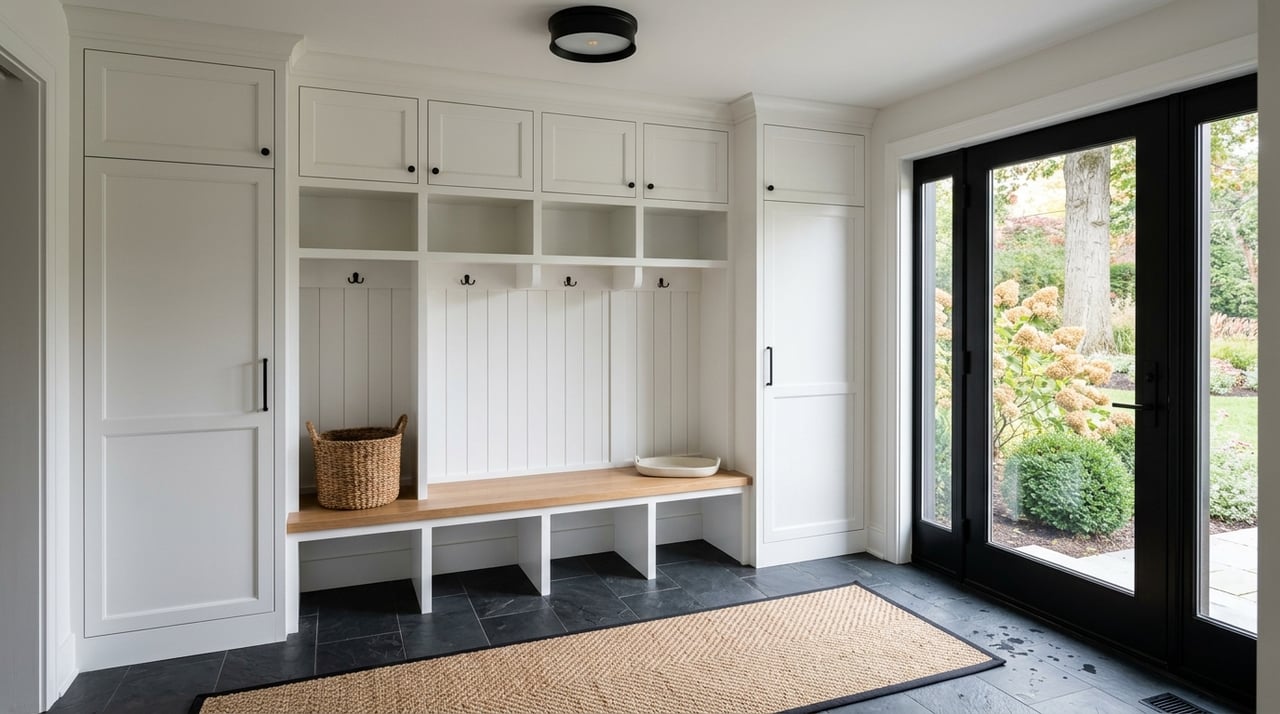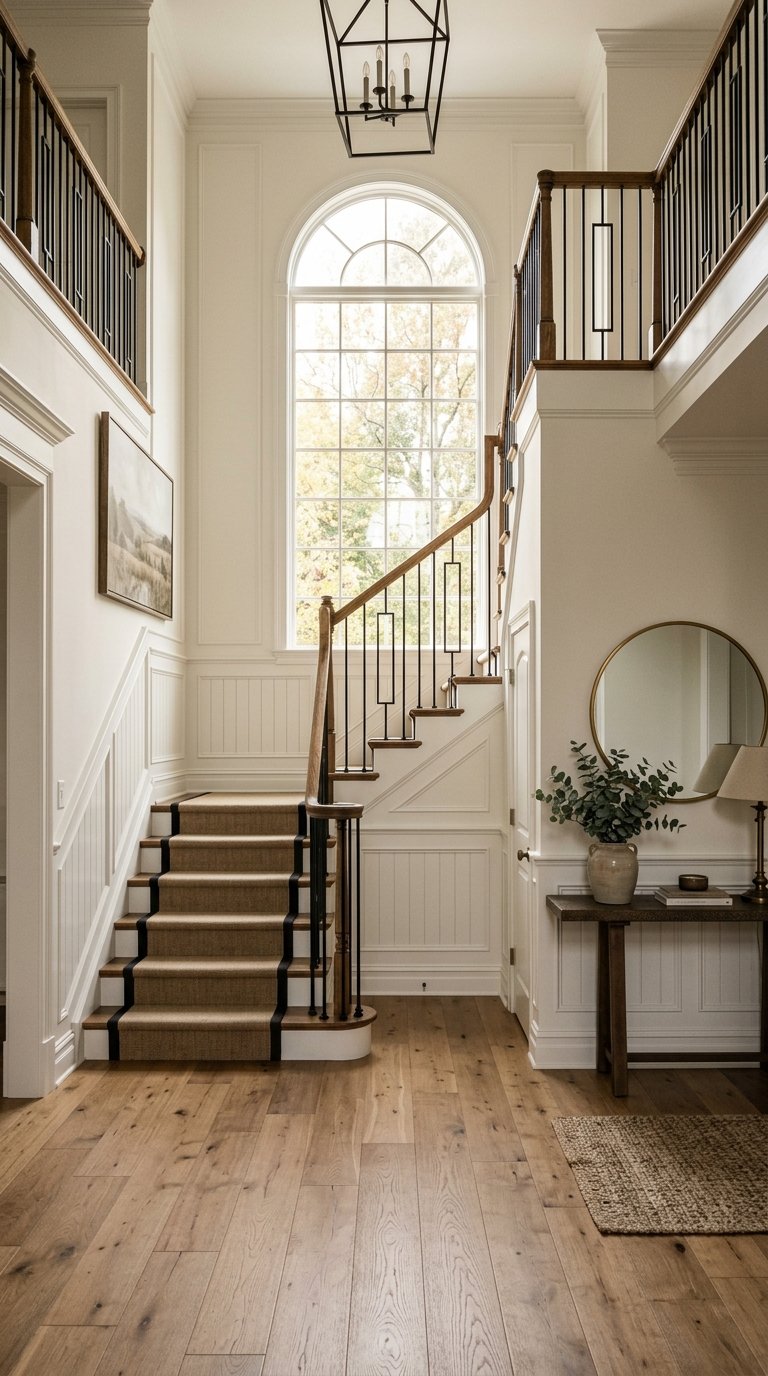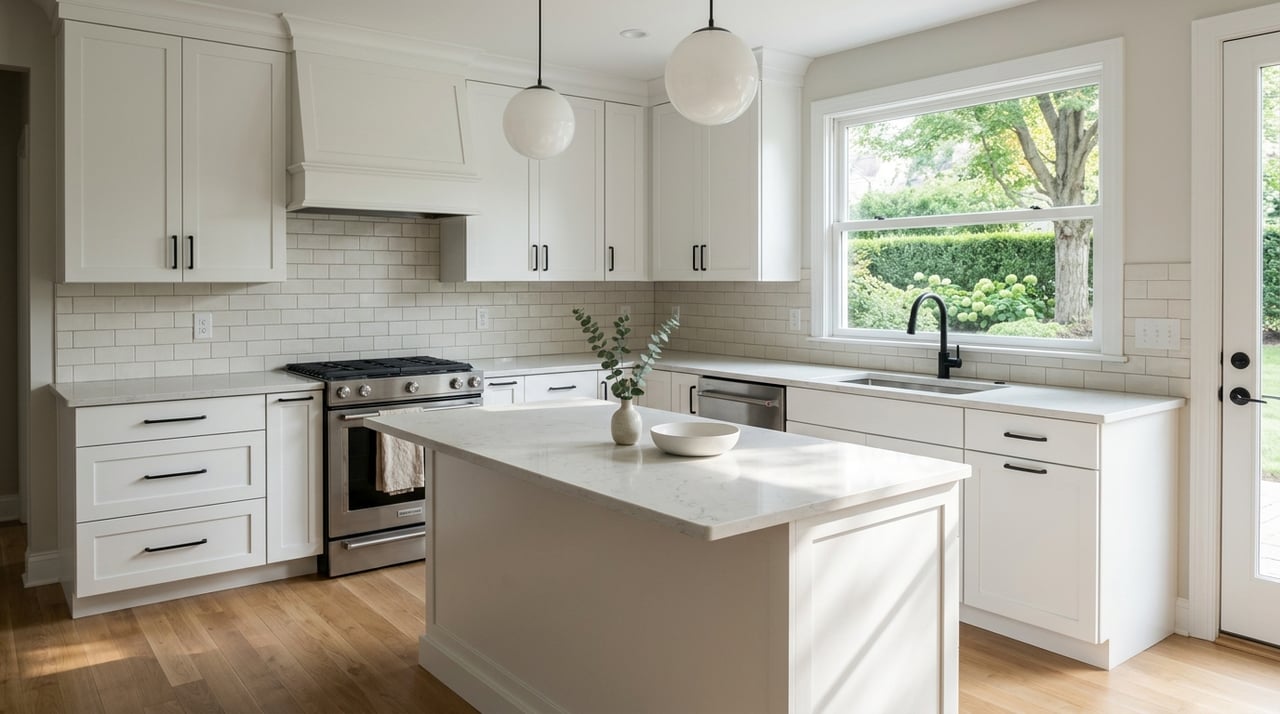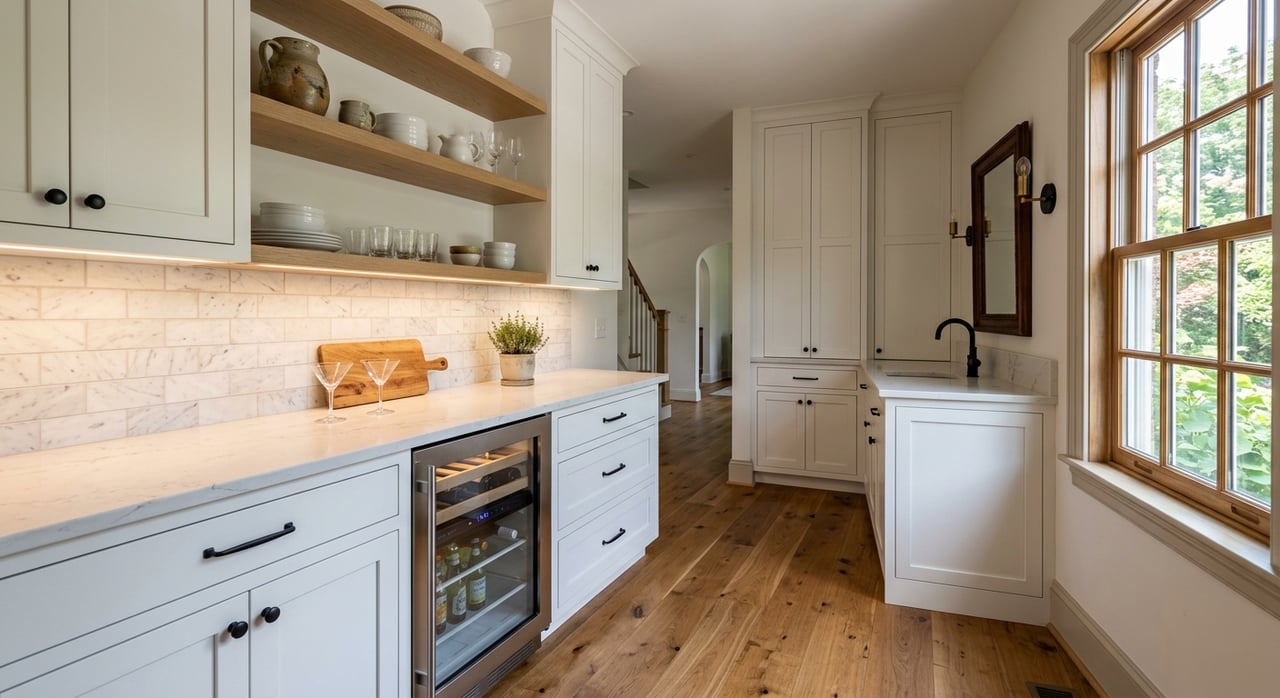
Thinking about buying a brand-new home in Clarksburg? It can be an exciting move, especially if you want modern layouts, new systems, and the chance to personalize finishes. But new construction comes with its own rules, timelines, and paperwork, and those details matter just as much as the floor plan. This guide will help you understand how new construction works in Clarksburg, what to review before you sign, and how to protect yourself from contract to closing. Let’s dive in.
Why Clarksburg stands out
Clarksburg sits at the northern end of Montgomery County’s I-270 corridor, about four miles north of Germantown. According to Montgomery Planning, the area had a 2020 census population of 29,051 and includes amenities such as Clarksburg Premium Outlets, parks, and trails. For you as a buyer, that means you are looking at new construction in a community that is growing but already established enough to feel connected.
Clarksburg is also still evolving. In March 2026, the Montgomery County Council approved the Clarksburg Gateway Sector Plan, covering about 969 acres east of I-270 and west of Frederick Road. That plan is intended to guide future mixed-use zoning, transportation improvements, and preservation decisions over the next two decades.
That matters because when you buy new construction in Clarksburg, you are not just buying a house. You are also buying into an area where nearby roads, land use, and the surrounding feel may continue to change over time. That can create opportunity, but it also means you should ask questions about what is planned nearby before you commit.
Verify the builder first
Before you fall in love with a model home, make sure the builder is properly cleared to build in Montgomery County. The county requires new-home builders and sellers to register with the Office of Consumer Protection. Even if a builder is licensed elsewhere in Maryland, Montgomery County says the builder still needs a county New Home Builder’s license, and a contractor needs that BC license to obtain a permit.
At the state level, many builders also must register under Maryland’s Home Builder Registration Act before entering into new-home contracts. The Maryland Attorney General advises buyers to verify that registration before signing. This is one of the simplest and most important checks you can make early in the process.
If you are comparing several communities, ask each builder to confirm:
- Their Montgomery County new home builder license status
- Their Maryland registration status, if applicable
- Who is actually building the home
- Whether the entity on the contract matches the registered builder
This step helps you start with the right paper trail, which is especially important in new construction.
Understand permits and possible added costs
New construction in Montgomery County involves more than a building permit. Before construction begins on detached one- or two-family homes and townhouses, the permit application must already have Right-of-Way and Sediment Control permits in place. These requirements can affect timing, especially if you are trying to coordinate a sale, lease end, or move.
Montgomery County also states that new-home construction is subject to development impact taxes for transportation and schools. Depending on how the contract is structured, those costs may affect your final cash needed at closing. It is worth asking early which fees are already built into the purchase price and which are not.
Review the contract with extra care
A new-construction contract is not just a promise to buy a house. It is the document that defines what will actually be built, how changes are handled, and what happens if the timeline shifts. The Maryland Attorney General’s consumer guide advises buyers to review the plans and specifications, exact price, change pricing, completion date, default provisions, notice procedures, dispute-resolution clauses, and all attached disclosures.
This is one area where careful review can save you stress later. It is smart to put important communications in writing and make sure every agreed detail is reflected in the contract or an addendum signed by both sides.
Pay attention to plans and specs
Do not assume the model home tells the full story. Maryland’s Attorney General warns buyers to compare the actual plans and specifications with any model they toured. Features shown in the model may not be part of the base price, and some finishes may be upgrades rather than standard inclusions.
If something matters to you, verify that it appears in writing. That includes floor plan details, structural options, appliances, materials, and any promised substitutions.
Watch the completion date and delay language
The contract should clearly state when construction is expected to start and finish. It should also explain what kinds of events can delay completion. That is especially important if you are trying to line up a current home sale, school-year timing, or a move tied to work.
In new construction, delays do happen. What matters is whether the contract explains the process clearly and gives you a realistic understanding of how the builder handles schedule changes.
Confirm the financing contingency
Financing language matters just as much with a new home as with a resale purchase. Under Maryland law, a contract is contingent on the buyer obtaining a loan commitment unless the contract expressly says otherwise. If the contract is contingent, it must state the maximum interest rate you are required to accept and the deadline for securing the commitment.
That means you should review the loan terms closely and understand the timing. If rates move or construction takes longer than expected, those details can become very important.
Know how your deposit is handled
Your deposit deserves close attention. Maryland’s New Home Disclosure Form says the builder generally must place your deposit in escrow unless the builder has a surety bond or letter of credit on file with the state. The Attorney General’s guide adds that money paid before completion must stay in escrow or be covered by the bond or letter of credit until settlement, refund, or buyer default.
In plain terms, you should not guess about where your money goes. Ask the builder to explain when the deposit can be released, what happens if the contract falls through, and what counts as buyer default.
A few good questions to ask include:
- Is the deposit being held in escrow?
- If not, is there a surety bond or letter of credit on file?
- Under what conditions is the deposit refundable?
- What happens if financing is denied within the contract terms?
- What happens if the builder misses the completion timeline?
Be thoughtful about upgrades
One of the biggest appeals of new construction is the ability to choose finishes and options. It is also one of the easiest places for confusion to creep in. Maryland guidance recommends that any selections, substitutions, and change-order pricing be documented in writing.
That matters because the final home may differ from the model, the base spec sheet, or the original sales conversation. If you are comparing upgrade packages, ask for clarity on price, timing, and whether the option must be selected before a certain construction stage.
For larger developments, Maryland law also requires a disclosure about available energy-efficient options in projects with 11 or more new homes built by the same builder. The contract must acknowledge that you received written information about those options, including a statement that related tax credits may be available. If energy performance matters to you, this is worth reviewing carefully before final selections are locked in.
Do not skip an independent inspection
A brand-new home can still have issues. An independent inspection gives you a chance to catch problems while they are often easier to address. The Consumer Financial Protection Bureau says buyers should use an inspector who is independent and accountable to them, and buyers may choose to inspect a new home between signing and closing.
This step is often overlooked because everything looks fresh and clean. But new construction inspection issues can include incomplete work, installation problems, or finish defects that are better handled before move-in than after.
Prepare for the final walk-through
Before settlement, Maryland’s Attorney General recommends doing a final walk-through and creating a punch list for anything still incomplete or in need of repair. This is your chance to compare the finished product to the contract, your selections, and any approved change orders.
If major work remains, you can ask the builder to hold back part of the purchase price in escrow until the work is finished. Whether that is possible will depend on the situation, but it is an important option to understand before you get to the closing table.
Learn the Montgomery County warranty rules
One of the practical advantages of buying new construction in Montgomery County is the county’s warranty framework. The county’s sample warranty provides:
- 1 year for defects in materials or workmanship
- 2 years for electrical, plumbing, heating, cooling, ventilating, and mechanical systems
- 5 years for major structural defects
The warranty starts at settlement or occupancy, whichever comes first. The county also says you must give written notice of defects within 30 days after the applicable warranty period ends.
That deadline is easy to miss if you are not organized. Keep a file with your contract, warranty documents, inspection reports, and written communication so you can track problems and report them on time.
It is also important to know that Montgomery County does not require the builder to provide a bond, insurance policy, or other financial security to guarantee warranty performance. However, the builder must disclose whether any such security exists.
If problems come up after closing
If you notice a defect after you move in, report it early and in writing. Maryland’s Attorney General says it is helpful to address problems quickly and keep all defect communications documented. That creates a clear record if there is ever a disagreement about what was reported and when.
If the builder and warranty process do not resolve the issue, Maryland’s Home Builder Guaranty Fund may provide a remedy for certain losses involving registered builders. There are deadlines, notice requirements, and claim limits, so timing and documentation matter.
New construction versus resale in Clarksburg
For many buyers, the real choice is not simply new versus old. In Clarksburg, new construction can reduce some early repair uncertainty because of the county warranty structure. At the same time, it adds more decisions about upgrades, more contract review, and more attention to timeline details, financing contingencies, and documentation.
With a resale home, your focus is often on existing condition. With new construction, your focus shifts more toward paperwork, build quality, inspection timing, and making sure what was promised is what gets delivered. If you understand that tradeoff, you can make a smarter decision based on your priorities.
If you are weighing a new construction purchase in Clarksburg, having clear local guidance can make the process feel much more manageable. Michelle Milton can help you evaluate your options, review the big-picture considerations, and move forward with confidence.
FAQs
How do you verify a Clarksburg builder is properly licensed and registered?
- Check whether the builder has the required Montgomery County New Home Builder’s license and confirm Maryland registration status if applicable before signing a contract.
What happens to your deposit on a new construction home in Maryland?
- The builder generally must place your deposit in escrow unless there is a surety bond or letter of credit on file with the state, and the contract should explain when the deposit may be released, refunded, or forfeited.
What should you review in a Clarksburg new construction completion date clause?
- Review the expected start and finish dates, what events can delay completion, and how notice of delays will be handled so you can plan your move and financing timeline.
What does the Montgomery County new-home warranty cover?
- The county sample warranty provides 1 year for materials or workmanship defects, 2 years for major systems, and 5 years for major structural defects, starting at settlement or occupancy, whichever comes first.
Do you need an inspection for a brand-new home in Clarksburg?
- Yes. An independent inspection can help uncover issues before closing, when repairs are often easier to complete.
What can you do if a builder will not fix a problem after closing?
- Start by giving written notice and following the warranty process, and if the issue is not resolved, Maryland’s Home Builder Guaranty Fund may be a possible next step for qualifying losses.