Thinking about a Bethesda address but not sure how it feels day to day? You want a place with great dining, easy transit into D.C., and homes that fit your next chapter. You also want clear, local context before you make a move. This guide walks you through the neighborhoods, commute, parks, schools, and market basics so you can picture daily life and decide if Bethesda fits your goals. Let’s dive in.
Bethesda at a glance
Where Bethesda fits in the region
Bethesda sits in Montgomery County as an unincorporated, walkable downtown that functions as a commercial and cultural hub just outside Washington, D.C. The core includes high‑rise living, major employers, and an active restaurant scene, with quieter residential streets radiating around it. It is part of the larger Bethesda census‑designated place that many people reference when comparing neighborhoods.
Who lives here and why
You see a mix of professionals, healthcare and research staff, families, and empty‑nesters. Proximity to the National Institutes of Health and Walter Reed National Military Medical Center shapes weekday rhythms, with a busy daytime population and strong demand for housing close to work and transit. Household incomes trend higher than county and national averages, and the housing stock supports everything from condo living to larger detached homes.
Neighborhoods and housing styles
Downtown Bethesda and Bethesda Row
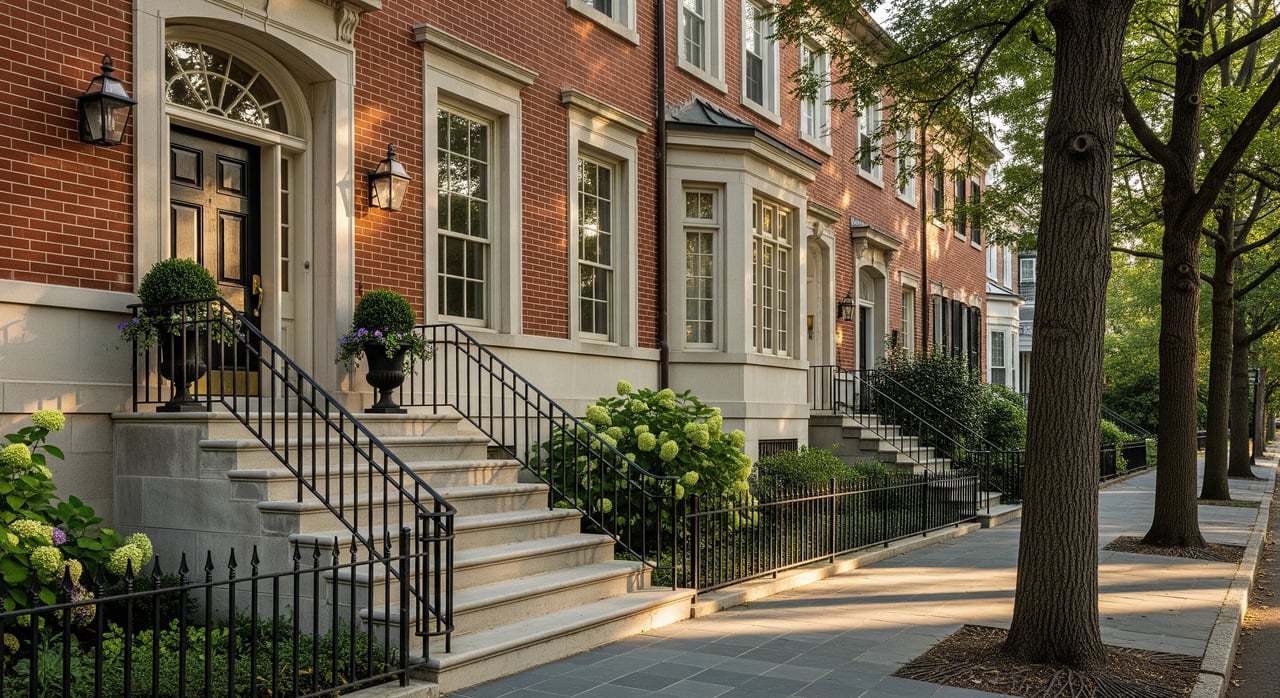
If you want to park the car for days at a time, the downtown core is where you focus. Bethesda Row and the Wisconsin Avenue corridor offer mid‑ and high‑rise condos, apartments, and mixed‑use buildings with retail at street level. Sidewalk dining, coffee shops, gyms, and grocery options make daily errands simple on foot. Many buyers who prioritize transit and walkability start here.
Woodmont Triangle
Just north of the main shopping streets, Woodmont Triangle blends smaller restaurants, local services, and mid‑rise buildings. It is a short walk to the Metro and downtown amenities while feeling slightly more low‑key in the evenings. You will find both newer developments and established buildings with varied floor plans.
Residential pockets nearby
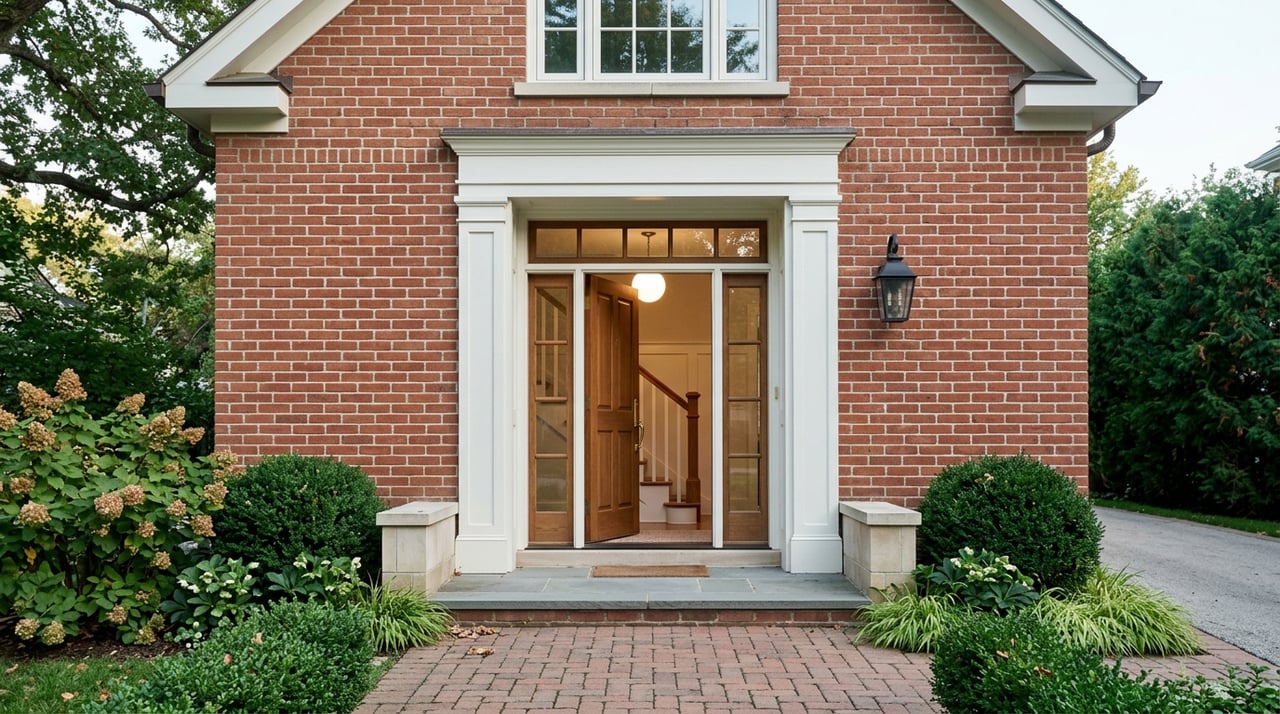
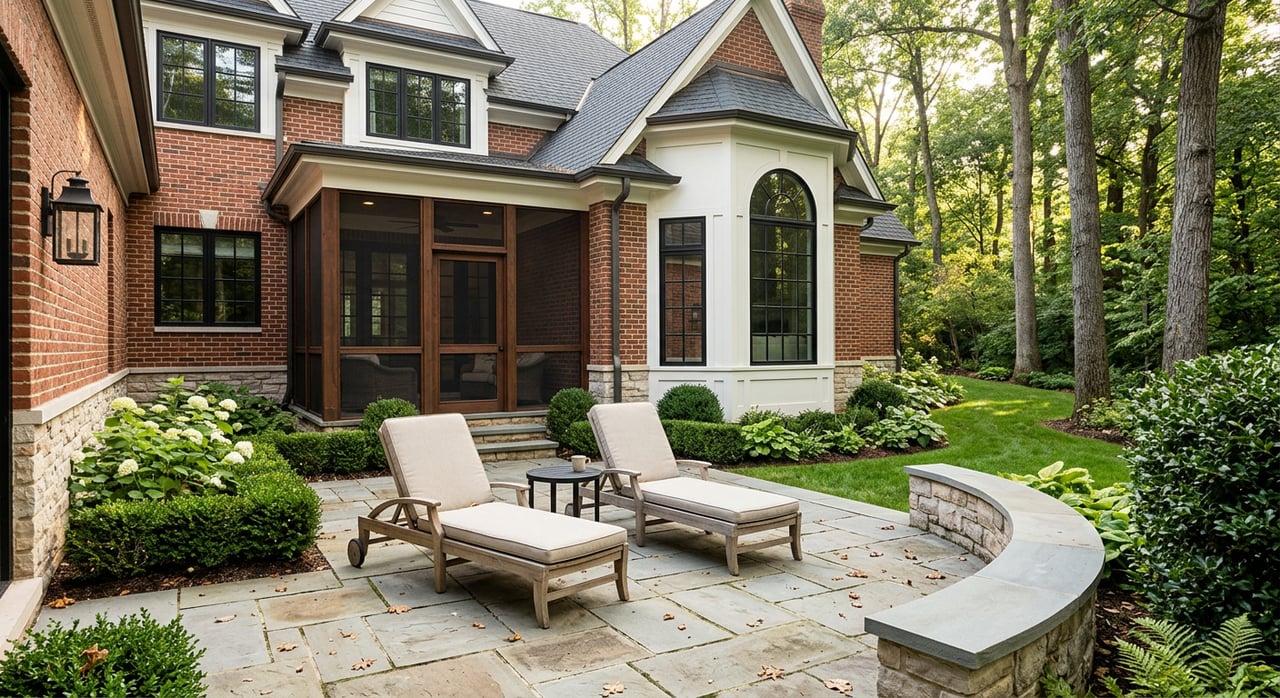
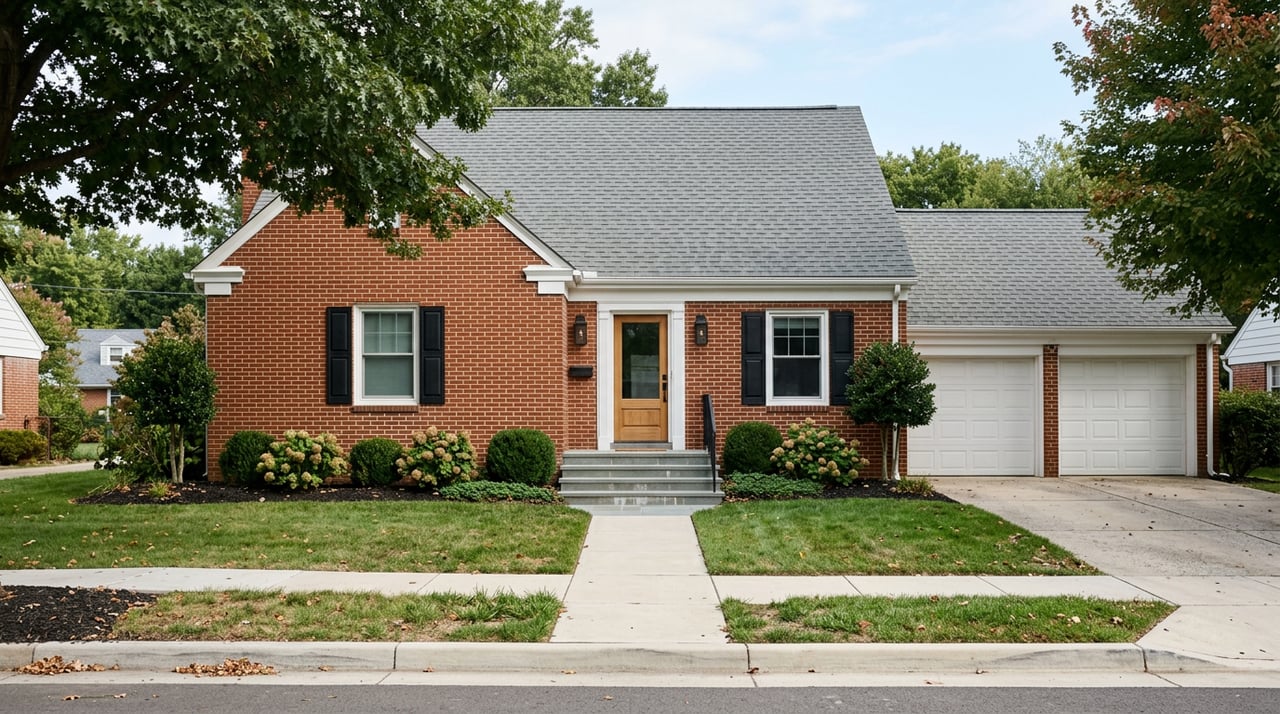
On the edges of the core, neighborhoods like Edgemoor, Wood Acres, Westmore, and Rosemont offer tree‑lined streets and detached homes. These blocks appeal to buyers seeking yard space, privacy, and a residential feel within a few minutes of downtown dining and the Metro. You also see townhome clusters and smaller communities along the North Bethesda border, providing an in‑between option on space and maintenance.
What type of home fits your lifestyle
- Condos and apartments: Popular with professionals and downsizers who value security, amenities, and an easy commute.
- Townhomes: A good balance for buyers who want more space than a condo but less upkeep than a large lot.
- Detached homes: Typically command a premium. Buyers often look for larger interiors, yards, and potential for renovations or additions.
County planning efforts have guided downtown redevelopment for years, so expect ongoing projects near the Metro and along key corridors. If new construction matters to you, watch the sector plan updates and public notices for timelines and community input opportunities.
Daily life: dining, shopping, culture
Dining scene
Bethesda’s restaurant mix is wide and varied. You will find chef‑driven spots next to casual cafes, with American, Mediterranean, East Asian, and Latin American cuisines well represented. Weekend brunch is a local ritual, and sidewalk patios stay lively in good weather. The variety makes it easy to rotate favorites without leaving the neighborhood.
Shopping and errands
The downtown core offers a blend of national retailers, independent boutiques, and service businesses. Grocery choices include traditional stores and specialty markets. Along Wisconsin Avenue and within Bethesda Row, you can cover most errands on foot. Nearby Rockville and Potomac expand your options with additional shopping centers and big‑box retailers when you need them.
Arts and entertainment
You do not need to go downtown for a show. Local theaters, galleries, and frequent community events keep calendars full. Regional music and arts at venues like Strathmore add to your choices, and neighborhood festivals and seasonal markets bring people out on weekends. Keep an eye on local event calendars for rotating exhibits, outdoor concerts, and street fairs.
Parks, trails, and outdoor time
Bethesda is close to a network of parks and trails. Rock Creek Park offers miles of paths for running and biking, while Cabin John Regional Park and other Montgomery County parks provide sports fields, playgrounds, and larger picnic areas within a short drive. Downtown streetscape improvements and pocket parks make quick breaks outside part of the daily routine. You will also see bikeshare stations and bike lanes in parts of the core, which helps with short trips and first‑mile or last‑mile connections.
Getting around
Metro and bus
The Bethesda Metro Station on the WMATA Red Line connects you directly to downtown D.C. and the broader rail network. Many commuters reach central D.C. in about 20 to 35 minutes depending on time of day and destination, with a short walk on either end. Montgomery County Ride On buses and Metrobus routes provide cross‑county and local service for errands or reverse commutes.
Driving and parking
Key corridors include Wisconsin Avenue, the Capital Beltway, and I‑270. These make regional trips straightforward, but rush‑hour traffic can be slow. Downtown has metered street parking and garages, and many buildings include assigned parking. If you plan to drive daily, test your route at actual commute times and check how your building handles guest parking and EV charging.
Walking and biking
Bethesda’s core is one of the more walkable areas in the D.C. suburbs. Living near the Metro and main corridors means you can handle dining, errands, and workouts without a car. Bike infrastructure varies by block and continues to improve, and many residents use e‑bikes or scooters for short hops.
What commute feels like
If you are new to the area, try a few test runs. Ride the Red Line during peak and off‑peak to compare timing. Drive your preferred route at your actual start time. Parking costs and garage locations vary, so include those in your daily math.
Schools, healthcare, and public services
Schools and enrollment
Bethesda is served by Montgomery County Public Schools (MCPS). Several area high schools are frequently cited in state and national rankings. School assignment depends on your exact address, and boundaries can change, so verify your home’s current assignment using the district’s tools before you buy. Private and parochial options are also available throughout the area.
Healthcare access
Access to care is a strong point. Walter Reed National Military Medical Center sits at the edge of downtown, and the region includes many specialty practices and clinics. For households that value proximity to major medical institutions, Bethesda offers a practical base.
Public safety and community resources
Montgomery County reports lower violent crime levels than many large urban centers, though property crime can occur in busy retail areas, especially around parked cars. As with any walkable downtown, common sense and routine precautions help. The county provides robust libraries, recreation centers, and civic programming that many residents use for classes, sports, and events.
Real estate snapshot and market cues
Pricing and affordability
Bethesda ranks among the higher‑priced markets in Montgomery County and the greater D.C. area. Detached homes in established neighborhoods usually command a premium. Condos and townhomes can be more approachable, though still above many nearby communities. In general, prices here trend higher than in Silver Spring and Rockville, while exact comparisons depend on the block and building.
What drives value
- Walkability and transit: Close‑in addresses near the Metro tend to hold value well.
- School boundaries: Many buyers prioritize specific MCPS assignments. Always verify.
- Lot size and renovation potential: Larger lots and homes with room to expand attract long‑term buyers.
- Proximity to employers: Easy access to NIH, Walter Reed, and downtown D.C. remains a durable demand driver.
Buyer tips
- Walk the neighborhood at different times to feel noise levels, traffic, and evening activity.
- Compare HOA or condo fees, parking, and building reserves when weighing condos or townhomes.
- If you need a quick commute, map your door‑to‑door trip and ride the Red Line during your actual hours.
- For single‑family homes, look closely at lot size, setback, and potential for future upgrades.
Seller tips
- Spotlight lifestyle: distance to the Metro, walk scores, nearby dining, and parks.
- For detached homes, present yard usability, storage, and flexible rooms for office or hobbies.
- Stage for bright, simple rooms and showcase any outdoor spaces buyers can picture using.
- Provide clarity on parking, HOA or condo details, and recent building improvements when applicable.
Is Bethesda right for you?
If you want the energy of a walkable downtown, strong transit, and quick access to D.C., Bethesda delivers. You can live steps from restaurants and shops, or you can choose a tree‑lined street just outside the core for more space and quiet. Compared with nearby Silver Spring and Rockville, Bethesda tends to feel more urban in the center and often prices higher, while still offering a range of housing types and commutes that work for busy schedules.
If you are weighing options across Montgomery County, a short neighborhood tour will help you feel the differences block by block and see how each home type fits your routine. When you are ready to narrow your search or position a property for the market, reach out for local guidance and a plan tailored to your goals. To get started, connect with Michelle Milton for a focused conversation about neighborhoods, timing, and next steps.
FAQs
How long does the Red Line commute from Bethesda take?
- Many central D.C. stops are reachable in about 20 to 35 minutes from Bethesda, plus time to and from the station, depending on the time of day.
Is downtown Bethesda walkable for daily errands?
- Yes. The core around Bethesda Row and Wisconsin Avenue has a high concentration of shops, restaurants, gyms, and groceries within a short walk of many buildings.
Are home prices in Bethesda higher than in Silver Spring or Rockville?
- Generally yes. Bethesda’s central location and amenities often push pricing higher, though specific comparisons depend on the neighborhood and property type.
Which areas are closest to the Bethesda Metro station?
- Buildings along Wisconsin Avenue, Bethesda Row, and parts of Woodmont Triangle offer the shortest walks, with many options within several blocks.
Is there new development planned in downtown Bethesda?
- Yes. Ongoing mixed‑use and residential projects are common near the Metro corridor and along major streets, guided by county sector plans.
What is parking like for residents in the core?
- Expect a mix of metered street spaces and garages downtown. Many condo buildings include assigned spots, and guest parking policies vary by property.